





Require Assistance?
Get A Quick Callback From Our Healthcare Experts
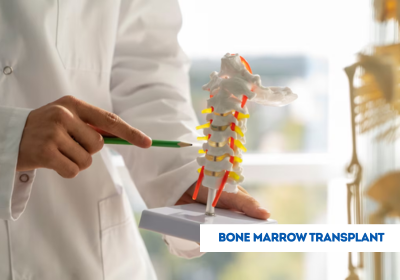
Bone Marrow Transplant (BMT) is a life-saving procedure in which diseased or damaged bone marrow is replaced with healthy stem cells from the patient (autologous) or a donor (allogeneic) to treat blood disorders and cancers. With EdhaCare, international patients can access bone marrow transplant in India, Turkey, Thailand, Dubai, and other leading countries. With EdhaCare you will be receiving advanced, affordable care from skilled hematologists and state-of-the-art hospitals. We take care from pre-transplant evaluation to post-transplant recovery.
[Book Consultation & Get Treatment Quote – India | Turkey | Thailand | Dubai]
A bone marrow transplant involves replacing damaged or diseased bone marrow with healthy stem cells that can regenerate normal blood cells. The procedure is primarily used to treat conditions affecting the blood and immune system, such as leukemia, lymphoma, aplastic anemia, and certain genetic disorders. Depending on the patient’s condition, BMT can be:
With modern techniques and expert care, Bone Marrow Transplant in India offers high success rates and significantly improved survival outcomes.
Below are approximate estimated costs for bone marrow transplant in India, Turkey, Thailand, and Dubai:
| Country | Approximate Cost |
|---|---|
| India | USD 80,000 – 150,000 |
| Turkey | USD 100,000 – 180,000 |
| Thailand | USD 120,000 – 200,000 |
| Dubai | USD 150,000 – 250,000 |
Note: These costs for bone marrow transplant are approximate. Contact EdhaCare for the exact cost of bone marrow transplant in India and personalized guidance.
EdhaCare guides global patients to the best hospitals in India for bone marrow transplant, ensuring access to top hospitals for bone marrow transplant in India with advanced hematology units, experienced transplant specialists, and internationally recognized treatment standards.
| Hospital Name | Location |
|---|---|
| Apollomedics Super Speciality Hospital | Lucknow |
| Lokmanya Hospital | Pune |
| Neotia Getwal Healthcare Center | Siliguri |
| HCG Curie City Cancer Centre Hospital | Vijaywada |
| Yashoda Hospital | Hyderabad |
Meet the top doctors in India for bone marrow transplant through EdhaCare. These best doctors for bone marrow transplant in India provide expert care, personalized treatment plans, and high safety standards for successful outcomes.
| Doctor Name | Hospital Name | Location |
|---|---|---|
| Prof. Dr. Mohamed Rela | Dr. Rela Institute | Chennai |
| Dr. Vivek Vij | Fortis | Delhi |
| Dr. Shailendra Nath Gaur | Sharda | Noida |
| Dr. Sanjay Govil | Apollo | Chennai |
| Dr. Ramesh Kumar | Batra Hospital | Chennai |
Doctors may recommend Bone Marrow Transplant in India for patients with the following conditions:
Early intervention with BMT can be life-saving and helps restore healthy blood and immune function.
Patients with blood-related disorders who may need a bone marrow transplant often show:
Proper evaluation and timely bone marrow transplant in India can dramatically improve quality of life and overall survival.
Before performing a BMT, doctors conduct extensive tests to ensure the patient’s suitability for the procedure:
This thorough pre-transplant evaluation ensures a safe and effective Bone Marrow Transplant in India.
There are three primary forms of BMT:
BMT planning involves close coordination among doctors, patients, and even donors when applicable. Although the BMT process isn't a typical operation, it does entail a treatment regimen that must be implemented step by step.
Patient Assessment
Doctors start by assessing the medical history and current condition of the patient. They perform:
It assists in determining whether the patient is a good candidate for the transplant and what kind of BMT would suit him best.
Matching of donors for Allogeneic BMT
When a patient requires donor cells, the transplant doctors begin the search for a match. They first perform tests on the siblings. In case there isn't a match in the family, the doctors search in international donor registries.
Selecting the Type of Transplant
Doctors select between autologous, allogeneic, and umbilical cord blood transplants on the basis of diagnosis and donor availability.
Stem Cell Collection
Conditioning Therapy
Physicians establish an individual conditioning regimen that, in some cases, includes high-dose chemotherapy or irradiation. This is done to:
Infection Prevention
Patients are given medications to avert infection. Physicians also advise staying in a sterile setting, particularly following the transplant, to shield the immune-compromised body.
The medical staff arranges the whole process of the transplant, beginning from the admission to the post-transplant follow-up. Patients and caregivers are briefed on:
Here's a brief overview of the process:
Although BMT may save a person's life, it does have risks. The following are the risks and possible complications of bone marrow transplant:
You should anticipate the following after your bone marrow transplant:
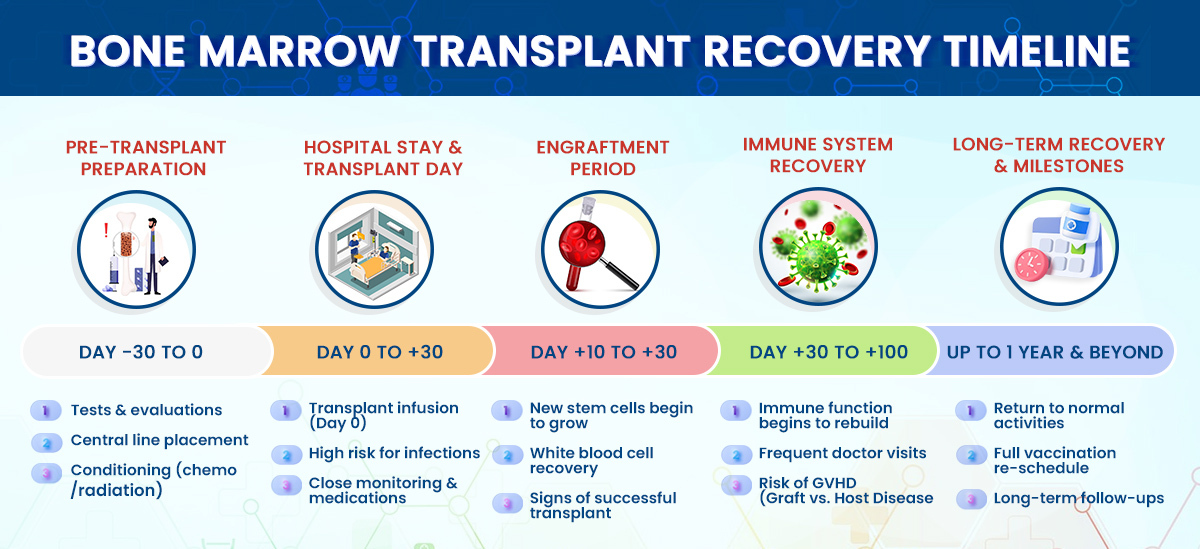
You will need to receive extensive long-term care following the BMT treatment. This might include:
India boasts a high BMT success rate:
The rates of success vary according to the patient's disease type, donor match, and overall condition.
India has emerged as a preferred worldwide destination for BMT because:
For international patients contemplating BMT in India, it is necessary to present certain documentation to have a smooth medical journey. These include:
It is advisable to refer to the Indian consulate or your medical facilitator for the latest information and help in documentation.
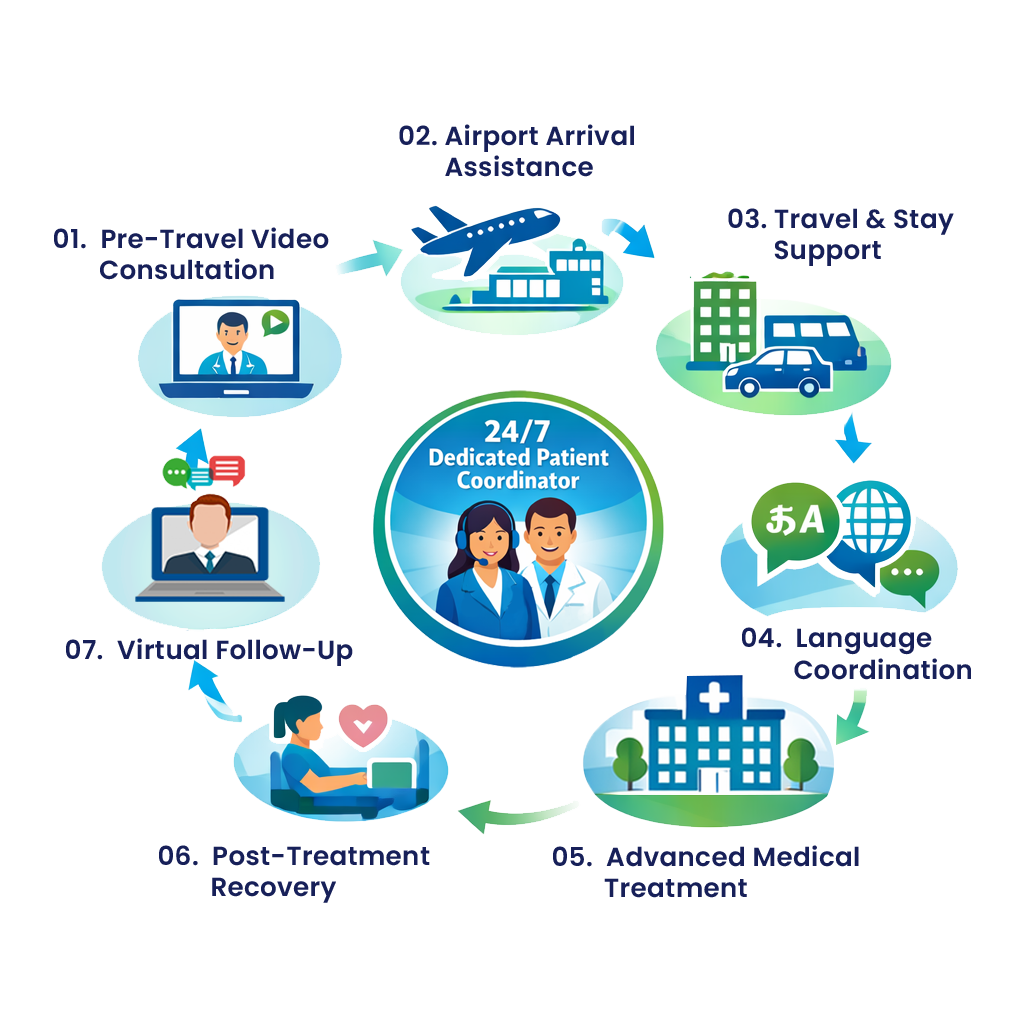
EdhaCare, a leading medical tourism company in India, connects international patients with world-class hospitals and expert hematologists for Bone Marrow Transplant in India. The company ensures seamless care, from pre-transplant evaluation to post-transplant follow-ups.
Patients benefit from:
With EdhaCare’s expert support and a dedicated medical tourism package for Bone Marrow Transplant, patients receive safe, effective, and affordable Bone Marrow Transplant in India, improving survival rates and quality of life.
How long does a bone marrow transplant take?
The process of the actual transplant itself only lasts a few hours, but the whole treatment process will consume several weeks to months.
Is a bone marrow transplant painful?
The surgery itself isn't painful because it's in the same category as a transfusion. Pre-conditioning treatments do cause discomfort.
Can I live a normal life after BMT?
Yes, most of the patients recover to a life as usual after treatment, although some will need long-term care.
Who can be a donor?
Donors include matched unrelated individuals, siblings, or umbilical cord blood banks.
Is it safe to travel to India for BMT?
Yes. India has high international patient services and safety standards as a top medical tourist destination.

A Medical Visa to India allows international patients to travel to India for medical treatment at re...

Lung cancer life expectancy remains one of the biggest concerns after a diagnosis. Patients and fami...
Gender Reassignment Surgery in India is increasingly considered by international patients looking fo...